Ant Control
Same-day ant control across every neighborhood in Davenport. Local specialists who know the ant pressure dynamics of every subdivision, resort community, and older residential area in the city.
Davenport is the core of everything we do. As one of the fastest-growing cities in Polk County — and one of the fastest in the entire state of Florida — Davenport’s rapid expansion brings with it one of the most active ant pressure environments in Central Florida.
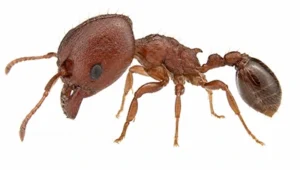
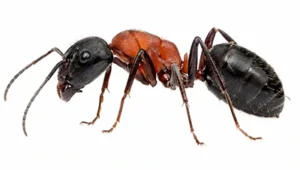
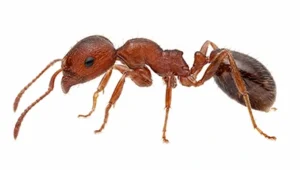
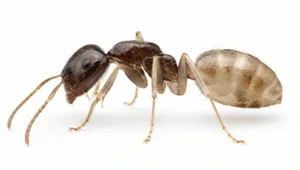
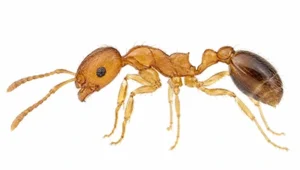
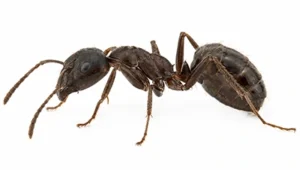
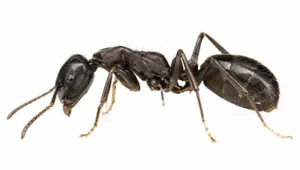
The combination of new construction, disturbed soil, irrigated landscaping, and Florida’s year-round warmth creates conditions that fire ants, ghost ants, carpenter ants, and big-headed ants thrive in. New homeowners moving into subdivisions along the US-27 and I-4 corridors — many arriving from cooler states where ants go dormant in winter — are often caught off guard by how persistent Florida’s ant pressure is twelve months a year.
We serve every part of Davenport: the established neighborhoods near downtown, the master-planned resort communities along Champions Gate Boulevard, the family subdivisions spreading south toward Haines City, and the newer phases of development that are still actively under construction. Each area has its own ant pressure profile, and we know what’s active in each one.
Davenport is also home to one of the highest concentrations of short-term vacation rental properties in the United States — the Four Corners area, ChampionsGate, Reunion Resort, and Solterra Resort collectively host tens of thousands of vacation rental guests each year. Ant control for vacation rental owners in Davenport requires a different approach than a standard residential service, and we understand the specific dynamics of protecting a property between guest stays without disrupting bookings.
Common ant species in the Davenport area. Tap any species to learn how we treat it.
Each Davenport community has its own ant pressure dynamics — golf course adjacency, conservation borders, lakefront exposure, new construction, vacation rental use. The right treatment plan starts with understanding the lot, the community, and the species.