Ant Control
Conservation ponds at Solterra drive fire ant pressure onto pool decks and outdoor spaces year-round. Vacation rental and resident treatment. Call (863) 236-9095.
Solterra Resort was designed around a simple premise: bring the resort experience home. The lazy river, the resort pool complex, the poolside Cafe Sol Bar and Grill, the 5,600 square foot clubhouse, the conservation ponds and natural Florida landscape surrounding it all — it’s a community built to be enjoyed outdoors, all year long.
Which means if you own a home in Solterra — whether as a full-time residence or a vacation rental investment — you need to understand what shares that outdoor environment with you. The same conservation development setting that gives Solterra its natural character creates consistent ant pressure that every homeowner in the community deals with, whether they realize it or not.
Here’s what Solterra Resort homeowners need to know about ants in their community — and what protecting your investment actually looks like in a conservation resort setting.
Solterra Resort is described as Central Florida’s newest and most spacious conservation development. That conservation designation is part of what makes the community visually distinctive — the natural ponds, the Florida wildlife, the open green space between homes. It is also exactly what creates the ant pressure conditions that Solterra homeowners deal with.
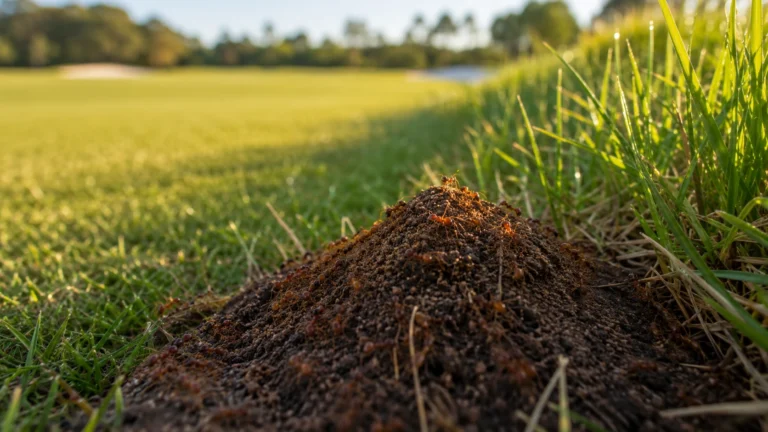
Conservation ponds throughout the community — Solterra’s natural ponds are a central feature of the community’s character. They’re also, as the CDD website explicitly notes, home to Florida wildlife including alligators and snakes. The soil along every pond bank in Solterra stays consistently moist — ideal fire ant colony habitat. Homes that border these conservation ponds are in the highest ant pressure zones in the community. The moisture gradient from pond bank to residential lawn is a fire ant foraging corridor that operates continuously.
Natural conservation areas between and around homes — The undisturbed natural areas within Solterra’s conservation development footprint are primary ant colony habitat. Unlike a standard subdivision where every lot is maintained, conservation areas are left largely undisturbed — which means ant colonies establish deep, mature nesting structures with no regular treatment activity to suppress them. These colonies forage outward continuously into adjacent residential properties.
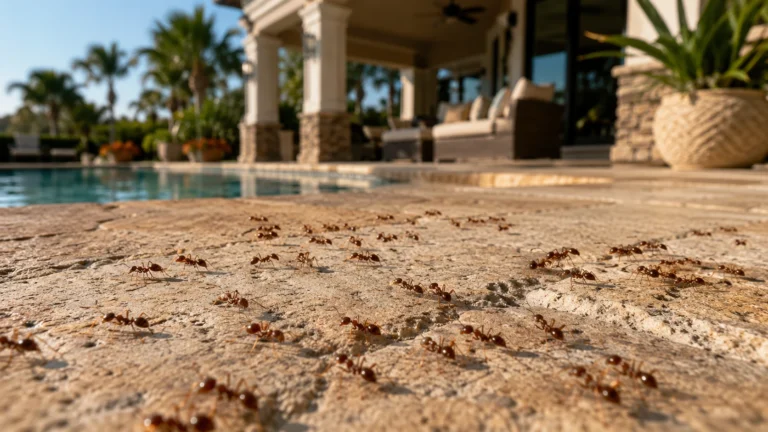
Private pool decks on every home — Every home in Solterra features a private pool. The warm concrete of a pool deck, the moisture around pool equipment, and the screened lanai area adjacent to it are consistent fire ant encounter points. For vacation rental homes specifically, pool deck fire ant encounters are a guest experience issue as well as a safety one — a guest who gets stung at the pool is not leaving a five-star review.
The resort amenity complex — The lazy river, resort pool, water slide, zero-entry pool area, sports courts, volleyball courts, and playground are all outdoor amenity spaces that bring residents and guests into regular contact with maintained turf and landscaping. The CDD manages these common areas, but foragers from conservation pond borders and adjacent natural areas are active in these spaces during peak season.
Heavy mulching in landscaped areas — Solterra’s landscaped common areas and the garden beds around individual homes use significant mulching consistent with the resort’s tropical aesthetic. Organic mulch holds moisture and creates ideal fire ant colony establishment conditions close to homes and walkways.
Solterra Resort is one of Davenport’s most active short-term rental communities. Many of the community’s 4 to 12 bedroom homes operate as vacation rental properties, with guests cycling through regularly throughout the year. This creates a specific ant management consideration that doesn’t apply to standard residential communities.
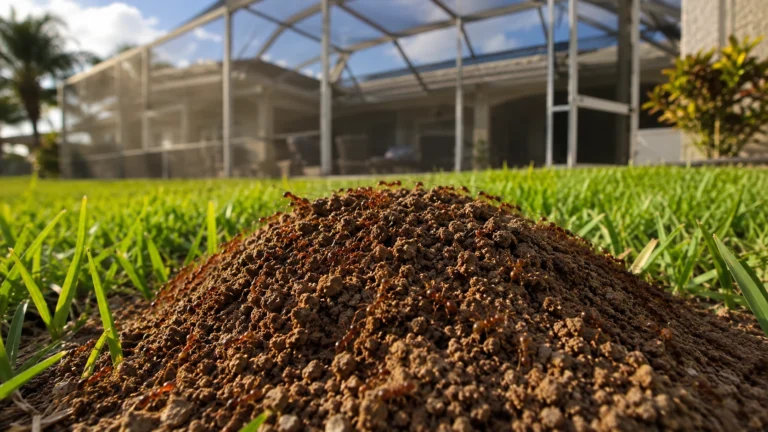
A fire ant mound that appears in your backyard between guest stays is a problem that doesn’t wait for your next property management visit. Guests using the private pool — often in bare feet or open-toed shoes — are at direct risk from any mound near the pool deck or screened lanai area. Children playing in the yard between pool sessions encounter lawn areas that may have mound activity that the previous guests didn’t notice or report.
Beyond the immediate guest safety issue, a fire ant sting incident during a guest stay has real consequences for a Solterra vacation rental:
Guest experience and reviews — Guests who encounter fire ants at a vacation rental property — especially guests with children — write about it. A negative review mentioning ants is visible to every future potential booking. In a competitive short-term rental market, ant incidents that affect guest experience are a direct revenue issue.
Property management gaps — Many Solterra vacation rental properties are managed remotely or through a property management company. The gap between guest departures and the next guest arrival is when ant problems develop undetected. A mound that established during a two-week gap between bookings may not be noticed until a guest reports it.
Liability considerations — Guests stung by fire ants on a vacation rental property have a legitimate grievance. Maintaining consistent perimeter treatment as part of your property management routine is the most straightforward way to manage this risk.
For Solterra vacation rental owners, a quarterly prevention plan that maintains active perimeter treatment through all four seasons — regardless of occupancy — is both the most cost-effective and most reliable approach. Treatment happens on a scheduled cycle rather than reactively after a guest incident.
Whether you’re a full-time resident or a vacation home owner who uses the property seasonally, knowing where fire ant activity concentrates in Solterra’s amenity areas keeps your time at the resort enjoyable.
Lazy river and pool complex — The landscaped borders surrounding Solterra’s resort pool complex, lazy river, and water slide area are mulched and maintained by the CDD. During peak fire ant season — March through May and again in September and October — foragers from conservation pond borders and adjacent natural areas can be active in and around these landscaped zones. The grassy transition areas between the pool complex hardscape and the surrounding landscaping are the most common encounter points.
Sports courts and multi-purpose field — Solterra’s tennis courts, volleyball courts, and multi-purpose sports field are surrounded by maintained turf. The edges of these areas — where maintained grass meets landscaping or natural borders — are consistent fire ant mound locations during peak season. Open-toed shoes on the sports courts adjacent to turf borders are the most common scenario for encounters in these areas.
Play Zone and playground — The children’s playground and recreational area at Solterra carries the same risk profile as any playground in a conservation-adjacent community. Children using the play zone interact with the surrounding turf and the base areas of playground equipment — both common mound locations. Read our fire ant stings guide for what to watch for and when to seek medical attention if a child is stung.
Around conservation pond banks — If your Solterra home borders one of the community’s natural ponds, the lawn area near the pond bank requires regular inspection. The CDD explicitly notes that ponds contain Florida wildlife — the same natural conditions that support that wildlife also support fire ant colonies along the bank. Keep children and pets away from pond bank areas, and inspect the transition zone between your maintained lawn and the pond bank regularly.
Every home in Solterra has a private pool, and pool deck fire ant encounters are the most common ant incident reported by both full-time residents and vacation rental guests in the community. Understanding why helps you address it effectively.
Pool decks and screened lanai areas create a specific ant encounter environment for several reasons:
Warm concrete absorbs and retains heat. Fire ants forage near warm surfaces, particularly the concrete around pool equipment, pump housings, and pool heaters. These areas stay warm longer than surrounding lawn areas and attract foraging activity even when ambient temperatures are cooler.
Pool area moisture — from splashing, drainage, and equipment condensation — creates localized moisture conditions in an otherwise dry concrete environment. Moisture near warm concrete is a consistent fire ant attractant.
The garden beds immediately outside the screen enclosure border the pool deck closely. Mounds in these beds put foraging workers within a few feet of the screen door — and depending on gaps in the screen frame, occasionally inside the enclosure itself.
For both full-time residents and vacation rental owners, protecting the pool deck and lanai area from fire ant pressure is the highest priority. Our perimeter treatment service includes the foundation line, the screened enclosure border, and garden beds adjacent to outdoor living areas — covering the spaces where residents and guests actually spend their time.
Solterra’s conservation pond setting and the moisture conditions throughout the community also support indoor ant species that operate independently of outdoor fire ant pressure.
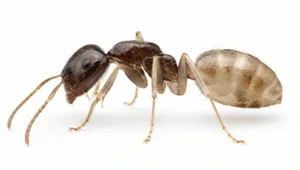
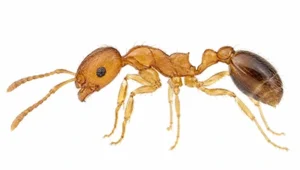
Ghost ants are extremely common in Solterra homes — particularly in newer construction where moisture levels from concrete and drywall are still stabilizing. The combination of Florida humidity, private pool moisture, and the natural conservation setting creates ideal ghost ant conditions. If you’re seeing very small, nearly translucent ants trailing across your Solterra kitchen counter or bathroom, that’s a ghost ant problem — and it requires a completely different treatment approach than fire ant control.
For vacation rental owners, ghost ant trails discovered by guests in the kitchen or bathrooms are a specific review risk. Ghost ants trailing across a kitchen counter during a guest stay produce the kind of written complaint that affects future bookings. Our ghost ants in the kitchen guide explains why standard spray products make ghost ant problems worse — and what actually works.
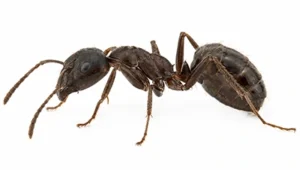
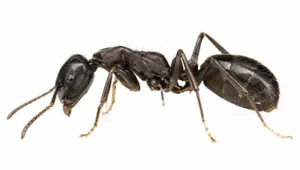
If you’re not sure whether what you’re seeing is fire ants, ghost ants, or another species, our ant identification guide covers the key differences clearly.
Effective ant treatment at Solterra accounts for both the outdoor fire ant pressure from conservation ponds and natural borders and the potential for indoor ghost ant activity — because these are two different problems that sometimes exist simultaneously in the same property.
For fire ant protection, treatment combines perimeter barrier application around the foundation and screened enclosure, extended to the pond bank or natural border where applicable, with broadcast granular bait applied across the full lawn to address forager populations from conservation area source colonies.
For ghost ant issues inside the home, targeted gel bait placement in interior trail locations — combined with exterior perimeter treatment to close entry points — is the approach that actually eliminates the colony rather than scattering it. Our indoor ant control service addresses interior infestations with the species-specific approach that ghost ants require.
For vacation rental owners especially, a quarterly prevention plan that covers both exterior fire ant protection and interior monitoring is the most cost-effective way to protect both your guests and your investment. Treatment happens on schedule regardless of occupancy — so you’re protected through both peak booking seasons and the quieter periods when mound establishment goes unnoticed longest.
Solterra Resort is one of Davenport’s premier communities precisely because of the outdoor lifestyle it offers — the pool, the lazy river, the conservation setting, the natural Florida character that makes it feel genuinely like a resort rather than a subdivision.
Ants are part of that natural Florida character. But fire ants on your pool deck and ghost ants in your kitchen are problems that affect your guests, your reviews, and your property’s value. The right treatment approach — consistent, season-aware, and specific to Solterra’s conservation setting — keeps your outdoor spaces what they’re supposed to be.
Call us for same-day service. We serve Solterra Resort, ChampionsGate, and the surrounding Davenport area. Whether you’re a full-time resident or managing a vacation rental property remotely, one call gets the right treatment applied to your specific situation.
Solterra Resort sits within the Four Corners corridor and is also part of our broader Davenport service area. Same-day service available throughout the community.
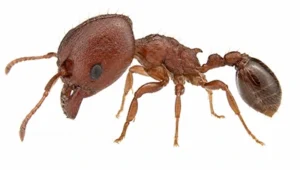
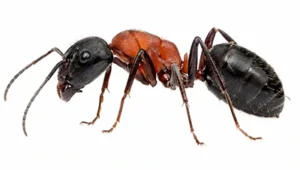
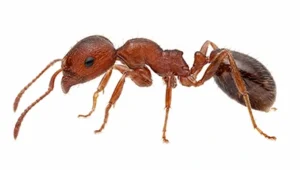
Common ant species in the Solterra Resort area. Tap any species to learn how we treat it.