Ant Control
Fire ants at Reunion Resort come from three championship courses — your property manager isn't handling it. Vacation rental owners: protect your reviews. (863) 236-9095.
Reunion Resort is in a category of its own among Davenport communities. Three championship golf courses — designed by Jack Nicklaus, Arnold Palmer, and Tom Watson — spread across a resort footprint that includes a 5-acre water park, 10 community pools, a tennis center, six on-site restaurants, pickleball courts, mini golf, and bike rentals. It is the only place in the world where guests can play all three of those courses in the same stay. As a place to own property, it represents the top of the market in Central Florida’s resort corridor.
It is also a place where fire ants are a consistent outdoor reality — and where the specific combination of three golf courses, extensive natural landscaping, and a resort-scale amenity footprint creates ant pressure dynamics that differ meaningfully from any other community in Davenport.
If you own a home at Reunion Resort — as a primary residence, a seasonal property, or a vacation rental investment — here’s what you need to know about protecting your outdoor spaces and your property.
At the price point of Reunion Resort real estate, ant management is not a minor inconvenience — it’s a property maintenance and guest experience issue with direct financial implications. Understanding why Reunion’s specific setting drives ant pressure helps you address it with the right approach rather than reactive spot treatments that don’t hold.
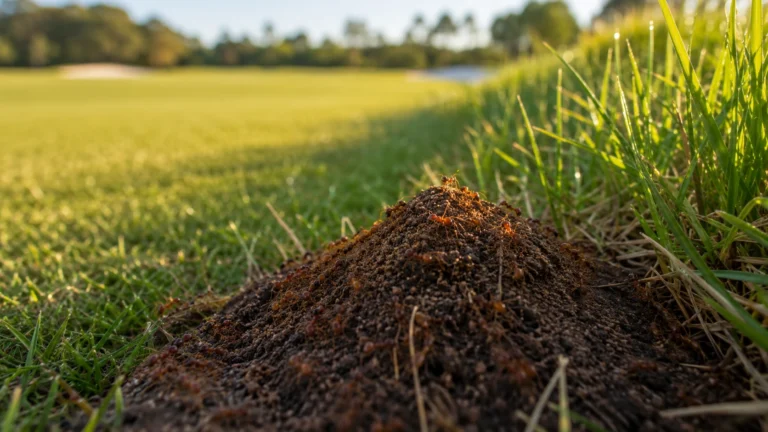
Three championship golf courses across a large footprint — Reunion Resort’s three signature courses cover an enormous amount of irrigated turf across the resort’s grounds. Each course — the Nicklaus, the Palmer, and the Watson — is a championship layout maintained to tournament standards. That means consistent irrigation, maintained fairways and roughs, and the open, sunny terrain that fire ant colonies specifically prefer. The resort’s golf operations manage fire ant pressure on the playing surfaces themselves, but the residential lots that border all three courses experience ongoing pressure from course-adjacent colony activity that the golf operations program does not cover.
Extensive resort landscaping and natural areas — Reunion’s resort-scale landscaping — the ornamental plantings around the water park, the borders of community pools, the entry corridors and roundabouts — is mulched and maintained at a level that creates ideal fire ant colony habitat throughout the resort footprint. Colonies in this resort landscaping forage outward into adjacent residential lots continuously.
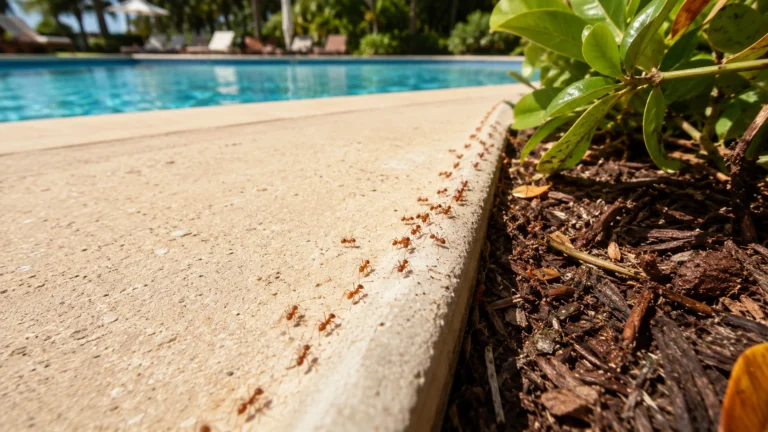
The 5-acre water park and community pools — Reunion’s water park, lazy river, and 10 community pools are outdoor amenity spaces where residents and guests spend significant time. The landscaped borders surrounding these amenity areas carry fire ant pressure during peak season. Barefoot encounters near pool complex turf borders are among the most common fire ant incidents at resort properties.
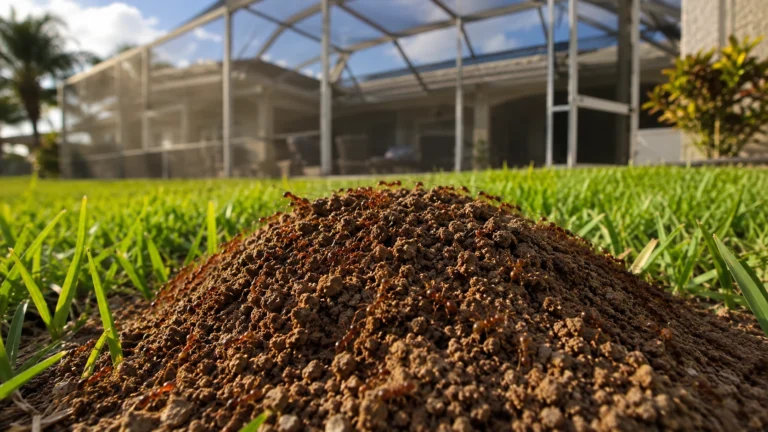
High-value homes with premium outdoor living spaces — Reunion Resort homes — many of which exceed several thousand square feet with private pools, spas, covered lanais, and outdoor kitchens — feature outdoor living spaces that represent a significant portion of the property’s value and appeal. A fire ant mound near a pool deck or private spa area on a Reunion Resort property is not just a nuisance. It’s a problem that affects the usability and guest experience of spaces that cost tens or hundreds of thousands of dollars to build.
If you’re using your Reunion Resort property seasonally and golf is part of why you chose the community, knowing what to watch for on the Nicklaus, Palmer, and Watson courses keeps a round from becoming an unpleasant memory.
All three courses are maintained to championship standards, and fire ant management is part of that maintenance program. But no golf course in Central Florida is entirely free of fire ant activity, and during peak fire ant season — March through May and again in September and October — new mound establishment activity accelerates across all three courses even with active management.
Where mounds concentrate on resort courses — On maintained championship layouts, fire ant mounds tend to establish in the rough at the edges of fairways, near the bases of course markers and signage, along drainage channels, and in the transition zones where maintained turf meets natural vegetation borders. These are the areas where soil conditions create the most favorable nesting environment and where regular mowing is least disruptive to established colonies.
Course mounds look different from residential mounds — Regular mowing on a championship golf course keeps mounds lower and flatter than you’d see in a residential lawn. The disturbed loose soil of a fire ant mound on a manicured fairway can look like nothing more than a slightly different patch of turf. This is why stepping on a mound on a golf course happens more frequently than stepping on one in a backyard — the visual cues are subtler.
After Davenport’s afternoon storms — The summer thunderstorm pattern that rolls through Davenport regularly — particularly June through September — is a fire ant trigger. Rainfall softens soil and stimulates new mound establishment activity across all three courses. The morning after a significant storm, mound activity on the courses and in adjacent residential lawns is at its highest. For members planning morning rounds after significant overnight rain, awareness of rough and transition zone areas is worth carrying onto the course.
The course-to-property pathway — As detailed in our ChampionsGate golf ants guide, fire ant colonies forage actively in a radius that extends 50 to 100 feet from the colony center. For Reunion Resort homes that border any of the three courses, that foraging range easily reaches your lawn, pool deck, and garden beds. The golf operations team manages the courses — what happens on your residential lot is your responsibility, and the course side of your property line is a continuous source of colony pressure.
Reunion Resort is one of the most active vacation rental markets in the Davenport area. Many of the community’s large homes — some with 8, 10, or even 12 bedrooms — operate as short-term vacation rentals, generating significant rental income for owners who may be managing the property remotely.
For vacation rental owners at Reunion, ant management is a property management responsibility with direct revenue implications. The dynamics are straightforward:
The gap between guest stays — Fire ant colonies establish quickly. A mound that wasn’t visible when the last guests departed can be fully active by the time the next guests arrive. In a gap of one to two weeks between bookings — which is typical in an active Reunion vacation rental — a fire ant mound can go from invisible to obvious near the pool deck or in the backyard lawn. No one is at the property to notice it until the arriving guests walk out to the pool.
Guest experience at premium price points — Reunion Resort vacation rentals command premium nightly rates. Guests paying those rates have correspondingly high expectations. A fire ant encounter at the private pool — particularly one involving children — is a guest experience failure at any price point, but at Reunion’s pricing level it produces the kind of detailed negative review that affects future bookings and nightly rate negotiations. The ROI on preventing the problem far exceeds the cost of addressing it after a guest complaint.
Remote management gaps — Many Reunion Resort vacation rental owners manage their properties from out of state or internationally. Standard property management services cover housekeeping, pool maintenance, and mechanical issues — but ant control is rarely included in a property management contract. The result is that fire ant mounds develop undetected between management visits and guest arrivals until a guest encounter makes them visible.
A quarterly prevention plan that maintains active perimeter treatment on a scheduled cycle — independent of bookings, guest schedules, and property management visit frequency — is the only approach that consistently prevents this scenario. Treatment happens on schedule whether the property is occupied or not, and a free re-service guarantee covers any ant activity that appears between scheduled visits.
Reunion Resort homes are built around outdoor living. Private pools, spillover spas, covered lanais, outdoor kitchens, and resort-view deck spaces are the features that justify Reunion’s premium real estate prices and drive its vacation rental rates. These spaces are also where fire ant encounters are most likely to occur.
Pool deck and spa areas — Warm concrete, pool moisture, and the mulched garden beds that border the screen enclosure create a consistent fire ant foraging environment around every private pool at Reunion. Guests using the pool in bare feet — the standard for a pool environment — are at direct contact risk from any mound near the deck perimeter or in the garden beds immediately outside the screen.
Outdoor kitchen and entertaining areas — Reunion Resort’s larger homes frequently feature outdoor kitchens, grilling areas, and entertainment decks. Food preparation and dining outdoors creates scent trails that attract foraging ants to these areas. Combined with the warmth from grilling equipment and the proximity to garden beds, outdoor kitchen areas are a consistent ant pressure point for Reunion Resort properties.
Resort-view lawn areas — Homes with golf course views, water park views, or community pond views sit in elevated ant pressure zones because of course, water park, and natural border adjacency. The lawn areas between the home’s perimeter and those viewlines are where fire ant satellite colonies establish first — which is why the best Reunion Resort lots are also the ones that require the most consistent ant management attention.
Standard pest control thinking — treat when you see a problem, skip when it seems quiet — doesn’t apply at Reunion Resort for two reasons that compound each other.
First, Davenport has no meaningful winter dormancy period for fire ant colonies. Florida’s year-round warmth means ant colonies are active in every month of the year. The spring and fall activity spikes are more intense, but the pressure never stops. A property that goes untreated through winter arrives at the March peak with no active barrier protection — exactly when colony expansion is most aggressive.
Second, Reunion Resort’s scale — three golf courses, resort-wide landscaping, community pools, a water park — creates a pressure source that is effectively permanent. There is no point at which the adjacent course, the resort landscaping, or the community pond borders stop producing fire ant colony pressure. Individual mound treatment can address what’s visible. It cannot address the source. Only consistent perimeter barrier maintenance keeps the pressure from continuously re-establishing on residential lots.
For Reunion Resort homeowners — whether full-time residents, seasonal owners, or vacation rental investors — quarterly treatment on a consistent schedule is the approach that maintains protection through all four seasons without reactive management gaps. Our fire ant treatment service covers individual mounds and perimeter protection, and our prevention plan maintains that protection through every season with a satisfaction guarantee.
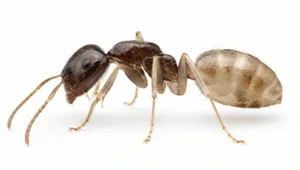
Fire ants are the primary outdoor concern at Reunion Resort, but the community’s humidity and the moisture conditions near private pools create indoor ant pressure as well — particularly ghost ants in kitchen and bathroom areas.
For full-time and seasonal residents, ghost ants trailing across kitchen counters and bathroom surfaces are a separate issue from outdoor fire ant management and require a completely different treatment approach. For vacation rental owners, ghost ant trails in a guest kitchen produce immediate negative feedback regardless of how clean the property otherwise is.
Our ghost ants in the kitchen guide explains why store-bought sprays make ghost ant problems worse — and why the right approach for ghost ants is always bait-based. Our indoor ant control service handles ghost ant infestations inside vacation rental and residential properties with the species-appropriate treatment that actually eliminates the colony rather than scattering it into new rooms.
If you’re not certain what species you’re dealing with — indoors or out — our ant identification guide covers the key differences between the most common ant species found in Davenport resort properties.
Reunion Resort sets a high standard for everything it does. Three golf courses designed by legends of the sport. A resort-scale amenity program that no other Davenport community can match. Home values that reflect the premium outdoor living experience the community delivers.
That standard deserves to extend to the outdoor spaces of individual properties. A fire ant mound near the private pool of a Reunion Resort home — particularly one that’s welcoming guests who paid resort prices to be there — is inconsistent with everything else the community represents.
Protecting your Reunion Resort property from fire ants is not complicated. It requires the right treatment, applied consistently, by someone who understands the pressure dynamics that come with golf course adjacency and resort-scale landscaping in Central Florida.
Same-day service available. We serve Reunion Resort, Solterra, ChampionsGate, and the surrounding Davenport area. Whether you’re a full-time resident, a seasonal owner managing the property from out of state, or a vacation rental investor protecting your rental income, one call gets a technician to your property to assess and treat.
Reunion Resort sits within the Four Corners corridor and is also part of our broader Davenport service area. Same-day service available throughout the community.
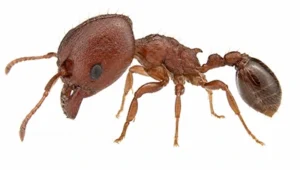
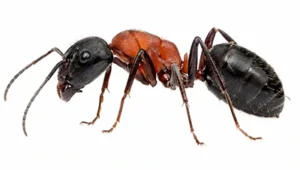
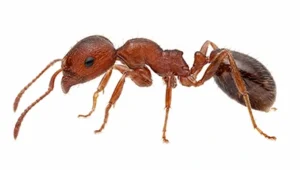
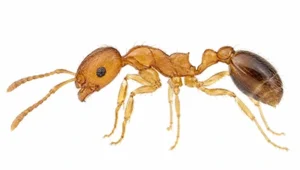
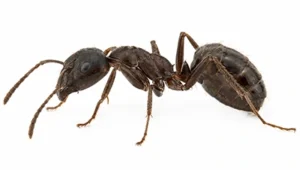
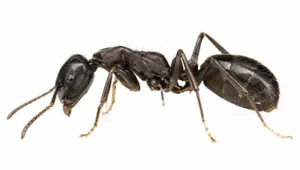
Common ant species in the Reunion Resort area. Tap any species to learn how we treat it.