Ant Control
Local ant control in Ridgewood Lakes, Davenport. Lake-bank fire ants and preserve adjacency across six sub-communities. Call (863) 236-9095.
There’s a reason Ridgewood Lakes has stayed one of the most sought-after communities in Davenport for over 25 years. The lakes, the golf course, the wildlife preserves, the established tree canopy — it has a natural beauty that newer subdivisions in the corridor are still working toward. The many lakes and abundant wildlife that give the community its character make it genuinely feel like a retreat, even for full-time residents who commute to Orlando daily.
That same natural setting — the moisture-rich lakefronts, the wildlife preserves, the lush landscaping along the main roadway — is precisely what makes Ridgewood Lakes one of the higher ant-pressure communities in Davenport. Water attracts ants. Undisturbed natural areas sustain them. And lakefront living means your property is closer to both than most Davenport homeowners ever get.
Here’s what Ridgewood Lakes homeowners need to understand about ant pressure in their community — and how to protect their property from what the landscape naturally brings with it.
Ants need three things: food, shelter, and water. Ridgewood Lakes provides all three in abundance, which is why ant pressure in this community operates differently than in a standard suburban subdivision without natural water features.
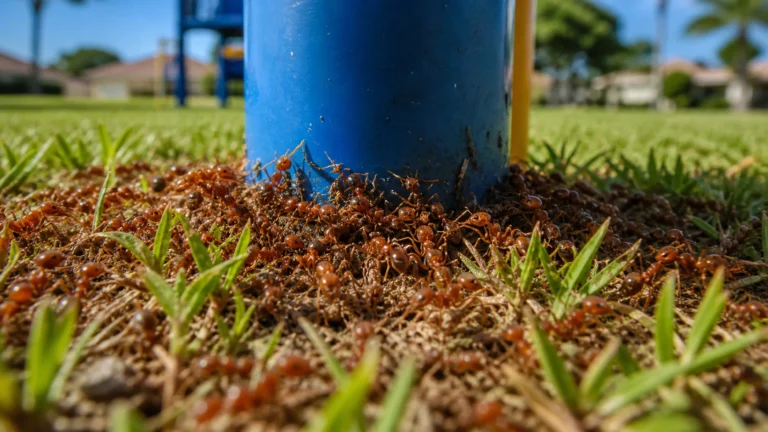
The lakes themselves — The scenic lakes that give Ridgewood Lakes its name and character are consistent moisture sources that fire ant colonies actively forage toward. The soil along lake banks and retention pond edges stays consistently moist — ideal conditions for colony establishment and expansion. Lots with lake or pond views, while among the most desirable in the community, are also in the highest fire ant exposure zones.
Wildlife preserves and natural borders — Ridgewood Lakes is surrounded by scenic lakes and wildlife preserves. These undisturbed natural areas are primary fire ant colony habitat. Colonies in the preserves establish deep, mature nesting structures undisturbed by regular maintenance activity. They forage outward from these areas into adjacent maintained residential lots — which is why homes that border the wildlife preserves see recurring ant activity even after treating their own lawn.
The main roadway landscaping — The lush, tropical landscaping along Ridgewood Lakes’ two-mile entrance road and main roadway — maintained by the Master HOA — uses significant mulching and ornamental plantings that create favorable ant habitat. Colonies in this landscaping forage into adjacent residential areas. The entrance corridor that creates Ridgewood Lakes’ visual identity is also a sustained ant pressure corridor.
White Heron Golf Club — The Ted McAnlis-designed 18-hole championship golf course at the heart of Ridgewood Lakes is irrigated turf spread across a significant footprint. As with any golf course in Central Florida, irrigated fairways and roughs create ideal fire ant habitat. Homes bordering the course — particularly in The Forest and High Vista sub-communities — experience consistent pressure from course-adjacent colony activity.
Irrigation systems — Ridgewood Lakes’ established homes use irrigation systems to maintain their lawns and landscaping. Regular irrigation keeps soil moisture at levels that support year-round fire ant colony activity. Combined with Davenport’s naturally warm temperatures, irrigated residential lots in Ridgewood Lakes rarely experience the dry conditions that naturally suppress fire ant activity in less-maintained areas.
If your Ridgewood Lakes home has a lake view, a pond view, or direct lakefront access, you are in the highest fire ant pressure zone in the community. This is worth understanding specifically rather than treating it as a generic ant problem.
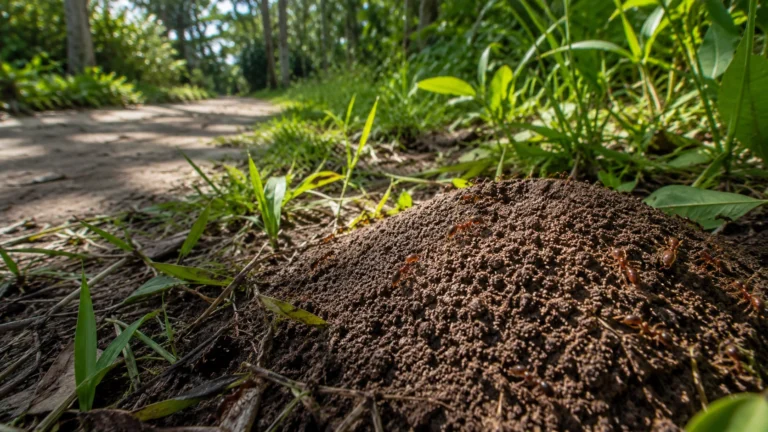
The soil gradient along a lake bank creates a moisture transition zone — dryer upland soil meeting consistently moist bank soil — that fire ant colonies specifically seek out. Colonies establish in the drier upland soil where the nest stays stable, but forage down toward the water’s edge and outward into adjacent residential lawns. A colony based in the lake bank can have its visible mound 20 to 30 feet away from the water, well into your backyard.
Lakefront and pond-adjacent lots in Ridgewood Lakes also experience more frequent mound re-establishment after treatment because the moisture source that attracted the original colony remains. Treating a mound eliminates the visible colony. It doesn’t change the moisture conditions that make your lot attractive to the next colony that forages in from the lake bank or wildlife preserve.
For lakefront homeowners, this is the core argument for a treatment approach that maintains a consistent perimeter barrier rather than reacting to individual mounds — because the pressure source is a permanent feature of the property, not a temporary infestation that can be resolved once and forgotten.
Ridgewood Lakes residents use their outdoor spaces actively — the community pool, tennis courts, the golf course, the lakefront areas, and the screened lanais and pool decks that are standard features of the community’s homes. Each of these spaces has specific ant awareness considerations.
Screened lanai and pool deck areas — Virtually every home in Ridgewood Lakes has a screened pool. The warm concrete of a pool deck and the moisture around pool equipment are consistent fire ant attractants. Pool deck encounters — particularly barefoot — are among the most common fire ant sting incidents in lakefront communities. Check pool deck perimeters during peak fire ant season and after significant rainfall.
Lakefront lawn and bank areas — The lawn that transitions into a lake bank or pond edge is the highest-risk zone on a lakefront lot. Inspect this area regularly, particularly after rain. Mounds along the bank transition zone are often partially obscured by vegetation — look for disturbed soil and loose, fluffy-textured ground rather than the classic dome shape.
Community pool surrounds — The maintained turf and landscaping around Ridgewood Lakes’ community pool areas are managed by the sub-community HOAs, but foragers from adjacent areas can be active here during peak season. Residents using the pool area in open-toed shoes or bare feet should be aware of mound locations along turf borders.
Golf cart paths and course borders — High Vista residents and golfers using White Heron Golf Club encounter fire ant pressure along cart paths, at the edges of fairways, and near the bases of course signage and fixed structures. The transition zones between manicured turf and natural rough are the highest mound density areas on the course.
Walking and cycling around the community — Ridgewood Lakes’ interior roadways and the areas adjacent to the main entrance landscaping corridor are consistent areas of ant activity. The ornamental landscape beds along the main road, while beautifully maintained, are mulched environments that support fire ant colony establishment close to the roadway edge.
Ridgewood Lakes comprises six separate communities — Atria, Del Webb, High Vista, Ridgewood Pointe, The Forest, and The Gallery. Each has its own HOA and its own character, but their ant exposure levels vary based on their specific position within the larger community.
The Forest — 164 single-family homes nestled within the golf course, with many lakes and natural areas on multiple sides. Among the highest ant pressure zones in Ridgewood Lakes due to course adjacency and proximity to natural water features. Residents here benefit most from consistent perimeter treatment.
High Vista — The active 55+ community with 623 homes, a championship golf course, and extensive outdoor amenity use. Golf course adjacency combined with the active outdoor lifestyle of the resident population makes fire ant awareness particularly important. The outdoor pool, shuffleboard courts, and walking trails are all spaces where residents regularly encounter open turf.
Ridgewood Pointe and Atria — Newer sections of the Ridgewood Lakes complex with more recent construction. Newer lots in these communities are still in the early years of landscaping establishment — soil is less settled, irrigation systems are newer, and colonies from adjacent natural areas are still expanding into developing residential lawns.
Regardless of which sub-community you’re in, if your lot borders a lake, a pond, a wildlife preserve, or the golf course, the ant pressure dynamics described in this article apply directly to your property.
Most ant treatment guides are written for standard suburban properties without permanent natural water features and wildlife habitat on their borders. Ridgewood Lakes is not a standard suburban property.
The permanent moisture sources — the lakes, the ponds, the wildlife preserves — mean that the conditions attracting ants to your property don’t change between treatments. A single treatment can eliminate the visible colony. It cannot eliminate the lake bank, the wildlife preserve, or the golf course that keeps producing new colony pressure. This is why reactive, mound-by-mound treatment is a treadmill for Ridgewood Lakes homeowners — particularly those in lakefront and course-adjacent lots.
The approach that breaks the cycle combines three elements:
Consistent perimeter barrier treatment — A maintained barrier around the foundation and lawn perimeter intercepts foraging workers before they establish new colonies close to the home. For lakefront lots, this barrier should extend to the lake bank or property boundary, not just the foundation line.
Broadcast granular bait — Applied across the full lawn to target forager populations from both visible and emerging colonies. Workers carry the slow-acting bait back to source colonies — including colonies based in the lake bank or wildlife preserve border — eliminating the pressure source rather than just the visible mound.
Quarterly prevention plan — Because Ridgewood Lakes’ natural setting creates year-round pressure that doesn’t seasonally subside, a quarterly prevention plan is the most cost-effective long-term approach. Maintaining an active barrier through all four seasons — and both the spring and fall activity spikes — is more effective and less expensive than treating repeated infestations reactively. Our fire ant treatment service combines all three components calibrated to your lot’s specific lakefront or preserve-adjacent exposure.
Fire ants are the primary outdoor concern for Ridgewood Lakes homeowners, but the community’s moisture-rich environment also supports indoor ant species that operate completely independently of outdoor fire ant pressure.
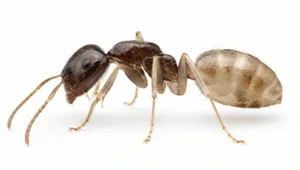
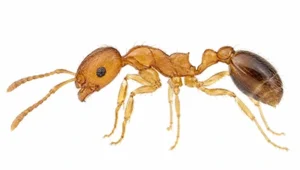
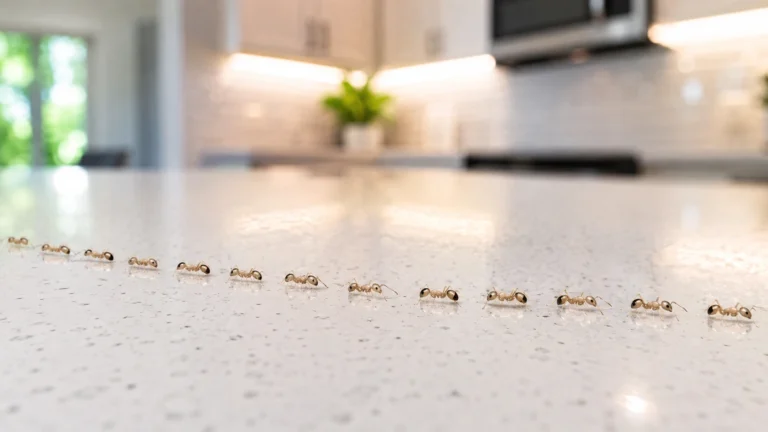
Ghost ants and pharaoh ants — both common in Davenport’s established homes — are drawn to the same moisture conditions that make Ridgewood Lakes attractive as a community. Aging plumbing in homes built in the mid-1990s to early 2000s, condensation around older AC systems, and moisture intrusion around aging window seals all create interior conditions that these species actively seek.
If you’re seeing very small, pale ants trailing indoors — particularly in the kitchen or bathrooms — that’s a separate issue from the outdoor fire ant pressure and requires a completely different treatment approach. Our ant identification guide covers how to tell the difference, and our indoor ant control service addresses interior infestations independently of outdoor perimeter treatment.
Ridgewood Lakes is one of Davenport’s most established and genuinely beautiful communities. The lakes, the golf course, the wildlife, the mature landscaping — it offers a quality of outdoor living that most communities in the corridor are still building toward. The ant pressure that comes with that natural setting is real, but it’s manageable with the right approach.
If you’re seeing fire ant mounds in your Ridgewood Lakes yard — near the lake bank, along the back fence line, or in your screened pool area — call us. One visit assesses your lot’s specific exposure and applies the right treatment calibrated to Ridgewood Lakes’ particular lakefront ant pressure dynamics.
Same-day service available. Serving all six Ridgewood Lakes communities — The Forest, High Vista, Del Webb, Ridgewood Pointe, Atria, and The Gallery — and the surrounding Davenport area.
Ridgewood Lakes is part of our broader Davenport service area — see every Davenport neighborhood we serve and how ant pressure differs across the city.
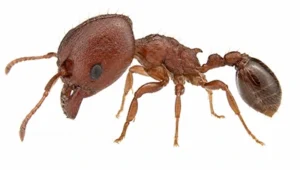
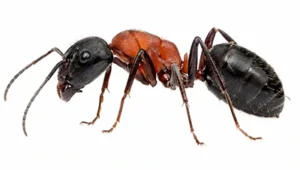
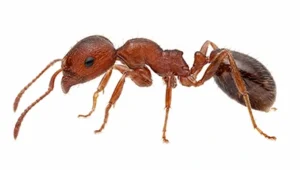
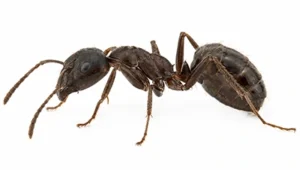
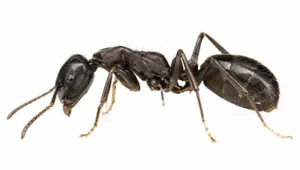
Common ant species in the Ridgewood Lakes area. Tap any species to learn how we treat it.